At Skoltramed, we specialise in providing expert anesthetic care across a wide range of medical disciplines. Whether you’re undergoing major surgery or a minor procedure, our dedicated team of highly trained anesthesiologists ensures your safety and comfort throughout the entire process. From general anesthesia to specialised pain management, we prioritise your well-being with the highest standards of care.
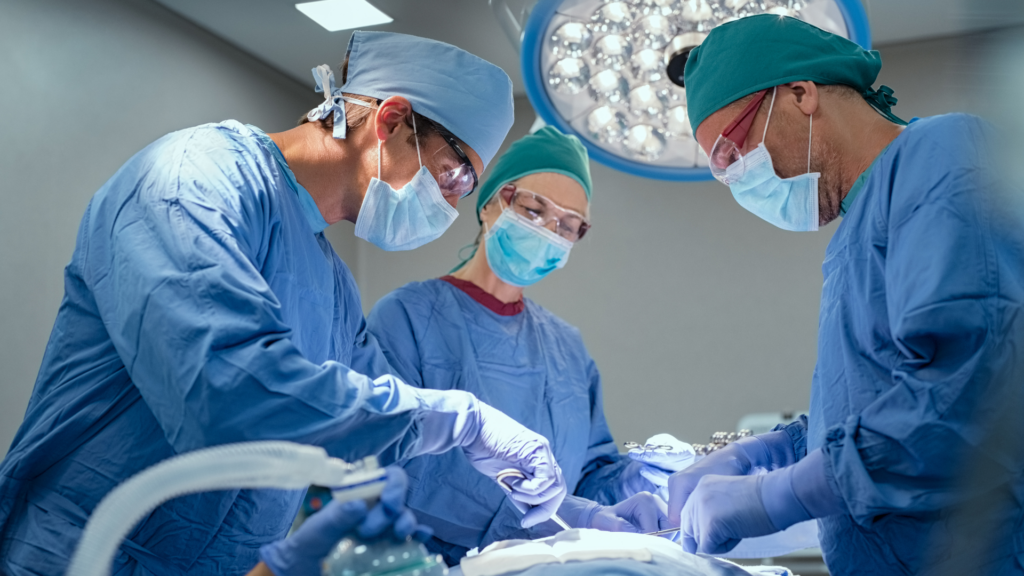
Most large operations are performed under general anaesthesia. The role of the anaesthesiologist is to ensure your safety and comfort during these procedures. Surgery is not without its risks, but with in-depth knowledge of your operation and medical conditions, comprehensive monitoring and timely management your anaesthesiologist minimises these risks and contributes to the successful outcome of your operation.
During general anesthesia, you will be completely unconscious and unaware of the procedure. The
anesthesiologist administers medications that induce sleep and ensure you feel no pain. They will
closely monitor your vital signs and adjust the anesthesia levels as needed to keep you safe.
Recovery times vary depending on the type of surgery and individual patient factors. After the procedure, you will be taken to a recovery area where you will wake up under close supervision. Some patients may feel groggy or nauseous afterward, but these effects typically wear off within a few hours. Full recovery from the anaesthetic may take up to 24 hours.
While general anaesthesia is generally safe, there are some risks, especially for patients with certain medical conditions. Common side effects include nausea, sore throat, or dizziness, but these usually resolve quickly. Serious complications are rare, and your anaesthesiologist will thoroughly assess your medical history and condition to minimize any risks.
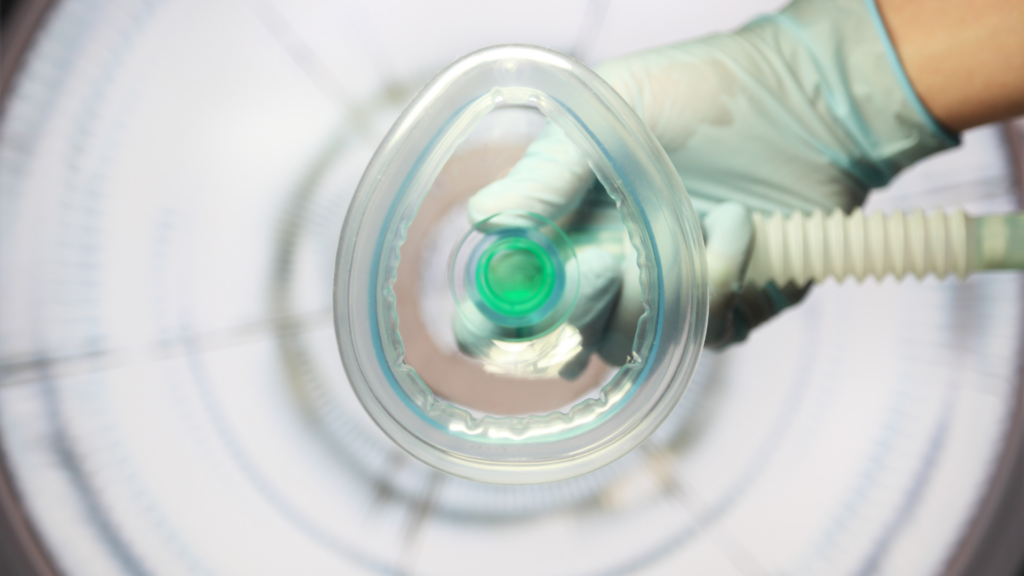
At Skoltramed, our highly skilled anaesthesiologists provide precise and effective regional anaesthesia, offering you comfort and pain relief during specific surgical procedures. Regional anaesthesia involves numbing a targeted area of your body by blocking nerve signals, allowing for pain-free surgeries without the need for general anaesthesia.
We use advanced technology such as nerve stimulators and ultrasound machines to enhance the accuracy of these blocks. This technique can increase comfort both during and after your procedure, reducing recovery time and minimizing side effects typically associated with general anaesthesia.
Regional anaesthesia is ideal for surgeries involving:
Our approach ensures a smooth and safe experience, with your anaesthesiologist closely monitoring your well-being throughout the process. Whether it’s a spinal, epidural, or peripheral nerve block, you can trust us to provide the highest standard of care for your comfort and safety.
Regional anaesthesia numbs a specific part of your body, allowing you to stay awake but pain-free during surgery. In contrast, general anaesthesia renders you unconscious for the duration of the procedure. Regional anaesthesia often has fewer side effects and allows for a faster recovery.
Yes, you will remain awake but comfortable. If needed, we can provide sedation to help you feel more relaxed during the procedure. You won't feel pain in the numbed area but may experience sensations like pressure.
The duration of the anaesthesia depends on the type of block used. In most cases, the numbing effect can last from a few hours to a day, offering pain relief during and after your surgery. Your anaesthesiologist will provide detailed information based on your procedure.

At Skoltramed, we understand that certain medical procedures require careful management to ensure patient comfort and safety. Our team of experienced anaesthesiologists offers specialised sedative procedures tailored to each patient’s needs. Sedation, often referred to as ‘twilight sleep’, involves administering medication to help you relax or sleep during minor surgical procedures or diagnostics. We use advanced techniques to ensure minimal discomfort and a faster recovery.
Our sedation services include:
We work closely with your surgical team to ensure that the appropriate level of sedation is provided, ensuring optimal outcomes with a focus on patient safety. Our anaesthesiologists remain vigilant throughout your procedure, monitoring vital signs to ensure the sedation is both effective and safe.
Conscious sedation allows you to remain awake but deeply relaxed during a procedure. You can respond to verbal cues but may not remember the procedure. Deep sedation, on the other hand, makes you sleep more deeply, and you are less likely to respond or be aware of the procedure. Both types of sedation are carefully monitored by our anaesthesiologists to ensure your safety.
Sedation is generally very safe when administered by experienced professionals. At Skoltramed, our anaesthesiologists monitor your vital signs, such as heart rate, breathing, and oxygen levels, throughout the procedure. We ensure the sedation level is tailored to your needs, minimising risks and ensuring a smooth recovery.
No, the purpose of sedation is to reduce anxiety, discomfort, and pain. Depending on the type of sedation and procedure, you may not feel any pain at all. Our team will ensure that pain management is effective throughout, and we adjust medication as needed to keep you comfortable.

At Skoltramed, we specialise in providing safe and effective anaesthesia and pain relief for women during childbirth. Our experienced anaesthesiologists are dedicated to supporting you through labour and delivery, ensuring your comfort and safety.
We offer a range of options tailored to your specific needs:
Whether you are having a natural birth or a caesarean section, our priority is your wellbeing. We work closely with your obstetric team to create a personalised plan that fits your medical needs and birth preferences, ensuring a positive and supportive birthing experience.
An epidural is a common form of pain relief used during labour. It involves injecting local anaesthetic near the spinal cord, which blocks pain signals from the lower half of your body. The effect allows you to remain awake and alert while significantly reducing the pain of contractions and delivery. Our anaesthesiologists carefully monitor the dosage to ensure maximum comfort while allowing you to participate actively in the birth process.
An epidural usually takes around 10 to 20 minutes to provide full pain relief, as the medication is administered gradually. In contrast, spinal anaesthesia, which is typically used for caesarean sections, works almost immediately, within 5 to 10 minutes, providing rapid and complete pain relief. Both methods are closely monitored by our team to ensure your safety and comfort.
While anaesthesia is generally very safe, like any medical procedure, there are potential risks and side effects. For epidurals and spinals, the most common side effects include low blood pressure, headache, or temporary difficulty urinating. In rare cases, there may be more serious complications, but our highly trained anaesthesiologists will discuss these with you beforehand and monitor you closely throughout the procedure to minimise risks.

At Skoltramed, we are dedicated to ensuring that you experience minimal discomfort before, during, and after surgery. Perioperative pain management is essential for a smoother recovery, reducing complications, and improving overall outcomes. Our team of specialist anaesthesiologists uses a combination of advanced techniques and personalised care to manage pain effectively at each stage of your surgical journey.
We offer a range of pain management strategies tailored to your needs, including:
Our comprehensive approach to perioperative pain management ensures that every patient receives safe, effective, and personalised care, allowing for optimal recovery and enhanced quality of life after surgery.
Perioperative pain management involves controlling pain before, during, and after surgery. It is crucial because effective pain control improves your overall comfort, reduces recovery time, and minimises the risk of complications like infections or delayed healing. Our anaesthesiologists use tailored approaches to ensure you remain as comfortable as possible throughout your surgical experience.
We use various methods to manage pain depending on the surgery and your medical condition. These include regional anaesthesia, such as epidurals or nerve blocks, general anaesthesia, and the use of controlled analgesia during the procedure. Your anaesthesiologist will select the most appropriate technique to ensure effective pain relief while maximising safety.
The duration of pain relief varies based on the type of surgery, the anaesthesia method used, and individual factors. Regional anaesthesia, like nerve blocks, may provide relief for hours after surgery, while medications can be prescribed to manage postoperative pain as you recover. We will work with you to ensure your pain is well controlled, adjusting the approach as needed to support your recovery.

Lorem ipsum dolor sit amet, consetetur sadipscing elitr, sed diam nonumy eirmod tempor invidunt ut labore et dolore magna.
John Doe
Lorem ipsum dolor sit amet, consetetur sadipscing elitr, sed diam nonumy eirmod tempor invidunt ut labore et dolore magna.
John Doe
With 20+ years of experience, our independent specialists offer affordable, high-quality anaesthetic care tailored to your needs.